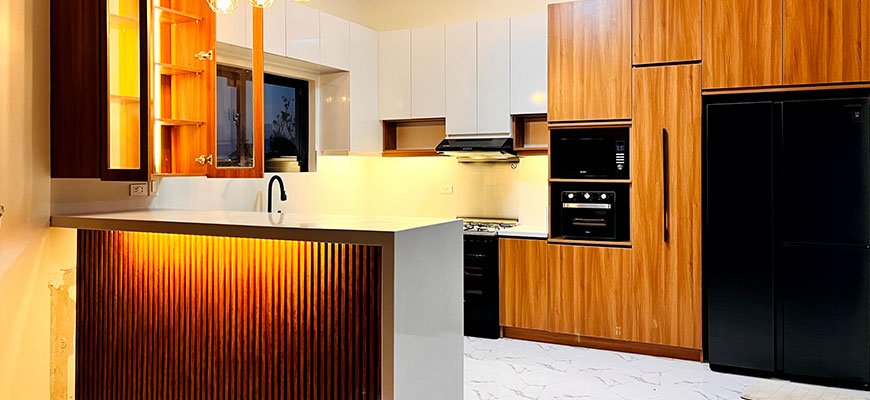
Why Philippine Homeowners Should Upgrade to Modular Cabinets (Especially in Humid and Rainy Weather)
If you have dealt with cabinet doors that will not close, hinges that rust too quickly, or a musty smell that returns every rainy season, you are not alone. In the Philippines, cabinets take a beating. High humidity, heavy rains, sudden temperature shifts, and even termites can shorten the lifespan of traditional cabinetry faster than many homeowners expect.
That is why more Filipino homeowners are choosing modular cabinets as a smart upgrade. Modular systems are not just about a modern look. They are designed for better fit, easier repairs, improved storage, and stronger performance in tropical conditions. This works well for kitchens, pantries, and even wardrobes.
Below are the biggest reasons why upgrading to modular kitchen cabinets (and modular storage in general) makes sense in the Philippines, weather included.
1) Philippine Weather Is Tough on Traditional Cabinets
The local climate is a real factor in home maintenance. When you combine humidity, heat, and rainy season moisture, common cabinet issues show up fast:
- Warping and swelling (especially in low-quality boards)
- Peeling laminates due to moisture creeping into edges
- Mold or mildew smells inside enclosed storage
- Rusting hinges, drawer slides, and screws
- Termite damage in wood that is not properly treated or sealed
Modular cabinets help because they are typically built with sealed finishes, tighter edge-banding, and upgradeable hardware. Many suppliers also offer moisture-resistant material options ideal for tropical homes.
If you are searching for “modular cabinets Philippines” because your current cabinets do not survive the rainy season, you are already in the right direction.
2) Modular Cabinets Make Repairs Cheaper and Less Stressful
One underrated advantage is that modular cabinets are made in parts (modules). If one section gets damaged, you often do not need to tear everything out.
- A sink base cabinet takes water damage: replace that module.
- One door swells or delaminates: swap the door panel.
- Drawer runners corroded: upgrade hardware without rebuilding the carcass.
Traditional built-in cabinets can be harder (and messier) to fix because issues may be tied into the entire structure. Modular systems are designed for maintenance and replacement, which matters in homes that deal with seasonal moisture.
3) Better Space Planning for Condos and Compact Homes
In Metro Manila and other growing cities, space is expensive and kitchens are often smaller than ever. Modular cabinets shine here because they are built for efficient layouts:
- Full-height storage to maximize vertical space
- Pull-out pantry units for narrow gaps
- Corner solutions (lazy Susan, magic corners)
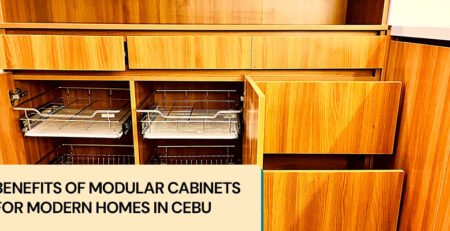
- Deep drawers instead of hard-to-reach lower shelves
- Built-in organizers for pots, plates, condiments, and cleaning tools
If you are thinking about a kitchen cabinet upgrade in the Philippines, modular is one of the most practical ways to get a cleaner, more functional kitchen without expanding your floor area.
4) You Can Choose Materials That Perform Better in Humidity
Not all cabinets are created equal. The best modular cabinet suppliers typically offer material choices that can handle moisture better than standard boards.
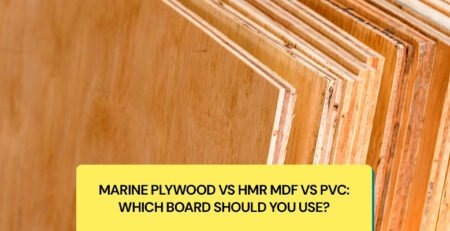
- Marine plywood (often preferred for wet zones when properly sealed)
- Moisture-resistant boards (ask specifically about moisture or humidity resistance)
- High-quality laminates with tight edge sealing
- PVC or polymer components in areas near sinks (where applicable)
- Stainless or anti-rust hardware for hinges and runners
Quick pro tip for the Philippines: Ask about edge-banding quality. Many moisture problems start at exposed edges where water vapor sneaks in.
5) Cleaner, More Hygienic Storage (Less Musty Smell)
In humid months, enclosed cabinets can trap moisture, leading to odor and mildew. Modular cabinet designs often improve hygiene through:
- Better internal layout (less clutter means better airflow)
- Easier-to-clean finishes (wipes clean without staining)
- Options for ventilation gaps, toe-kicks, or improved back paneling
- Smarter under-sink solutions (separating wet cleaning supplies)
A kitchen that feels cleaner is not just nice, it is practical. For many households, the kitchen is the most used work zone in the home.
6) A Modern Upgrade That Increases Home Appeal and Value
Whether you plan to sell, rent out, or simply improve daily living, cabinets affect how a home feels immediately. A modular cabinet renovation can:
- Make the kitchen look more premium and organized
- Improve the perceived newness of the home
- Add functional value buyers and renters notice fast
- Support a cohesive interior style (minimalist, Scandinavian, modern Filipino, and more)
In many homes, a kitchen update delivers high impact because it changes both appearance and usability at once.
7) Faster Installation Compared to Fully Custom Built-Ins
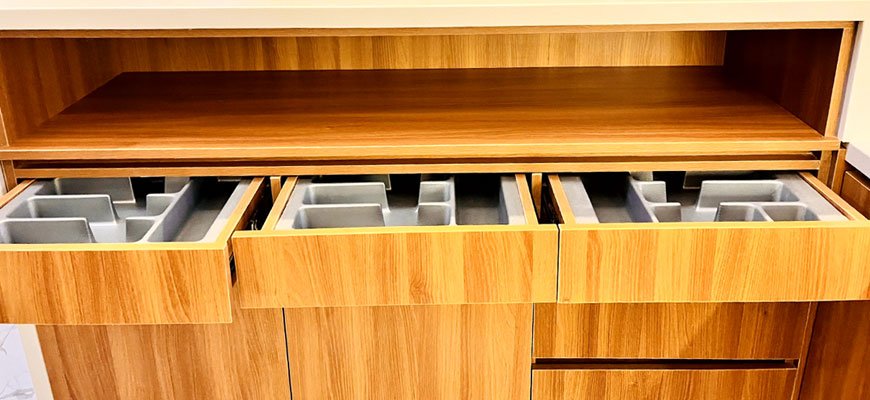
Because modular cabinets are planned and fabricated in sections, installation is often more efficient than fully on-site carpentry, especially when the scope is clearly defined.
- Less disruption at home
- Faster turnover time
- More predictable results (if measurements are correct)
- Cleaner installation compared to extended on-site cutting (varies by provider)
If you are busy with work, kids, or household routines, that shorter disruption window is a big plus.
Signs It Is Time to Upgrade Your Cabinets
If you are on the fence, here are clear signs you are due for a cabinet upgrade:
- Doors scrape, sag, or do not align anymore
- Swollen panels near sink or countertop edges
- Strong musty odor that returns after cleaning
- Rust on hinges or drawer slides
- Visible termite trails or powdery wood debris
- You have outgrown your storage and clutter is constant
- The layout wastes space (dead corners, shallow shelves, inaccessible areas)
Even just two or three of these can justify switching to custom modular cabinets designed for your space and climate.
Simple Tips to Make Cabinets Last Longer in Tropical Weather
Even the best cabinets benefit from smart care:
- Wipe condensation quickly, especially under the sink
- Fix leaks immediately (small drips cause big swelling)
- Use dehumidifiers or moisture absorbers in enclosed kitchens
- Avoid storing wet cloths inside closed cabinets
- Choose soft-close hardware (less slamming means longer alignment)
FAQ
Are modular cabinets good for humid weather in the Philippines?
Yes. If you choose moisture-resistant materials, sealed edges, and quality hardware, modular cabinets can handle humidity better and are easier to repair if one area gets damaged.
What is better: modular cabinets or traditional built-in cabinets?
Modular cabinets are often better for maintenance, upgrades, and space planning. Traditional built-ins can work too, but modular systems usually offer cleaner finishing, better internal accessories, and replaceable parts.
Are modular kitchen cabinets expensive in the Philippines?
Costs vary by material, layout, and hardware. But modular cabinets can be cost-efficient long-term because damaged sections can be replaced and you avoid repeated repairs from warping or rust.
What cabinet material is best for areas near the sink?
Look for properly sealed, moisture-resistant options, and consider upgrading the sink-base zone with better protection and hardware. The key is sealing and water management, not just the board type.
Ready to Upgrade Your Cabinets?
If your cabinets are warping, smelling musty during rainy season, or wasting valuable kitchen space, upgrading to modular cabinets in the Philippines is one of the most practical home improvements you can do, visually and functionally.